


 | Published: April 15, 2026 | Updated: April 30, 2026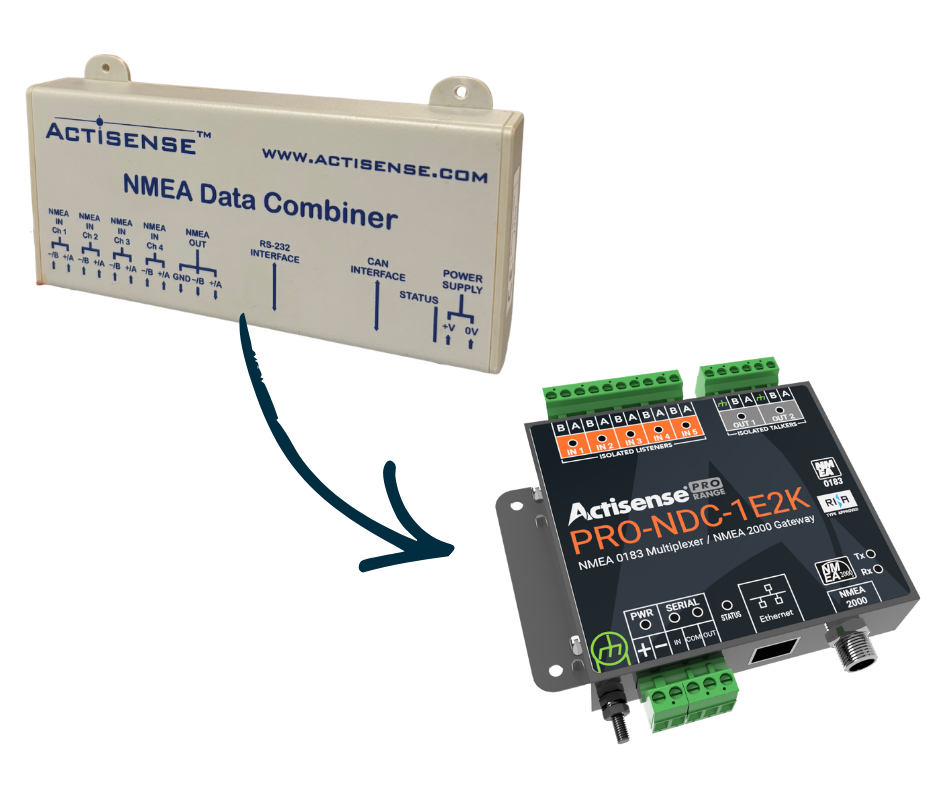
Tucked away at Actisense HQ is the Archive Room: a space filled with the company’s history. On a recent visit, we found a collection of old multiplexers, each one marking a step in how onboard data has evolved.
Side by side, they tell a clear story: not just of product development, but of how marine networks have grown more complex, and how Actisense has kept pace.
Why multiplexers
There is a problem that every installer on every vessel with more than one instrument has encountered. GPS, wind, depth, AIS – all producing data, all needing to share it. But NMEA 0183 was built for one talker and one listener. Add more, and data collides, corrupts, or disappears.
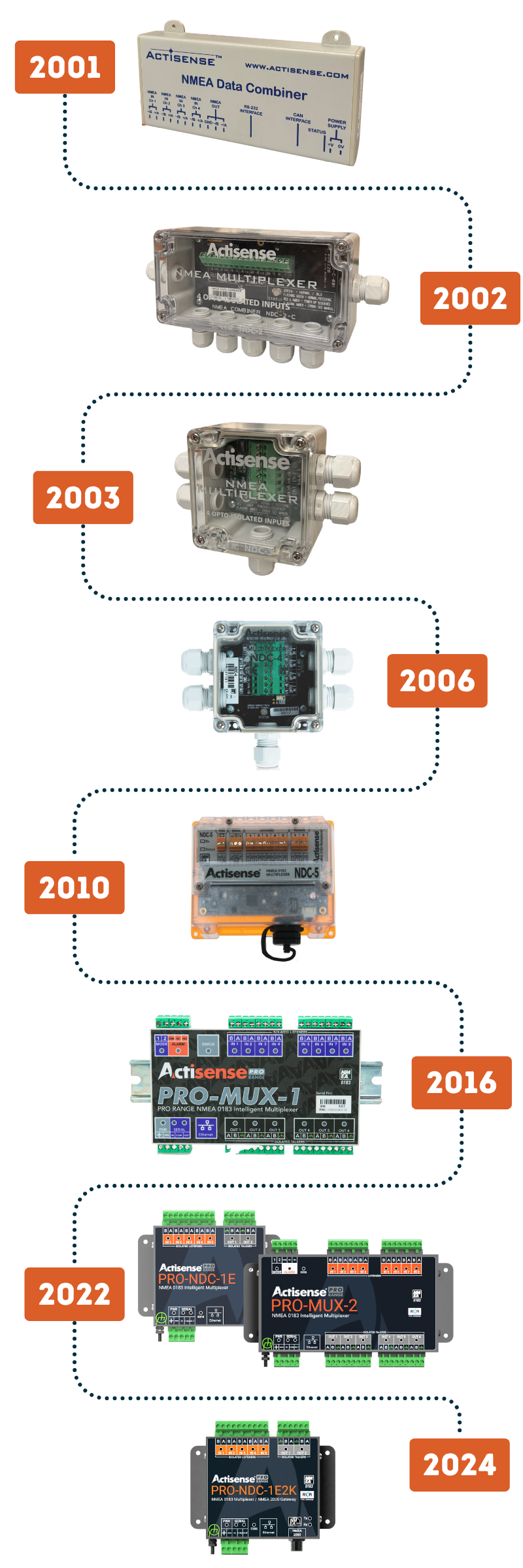
In 2001, Actisense solved that problem with the NDC-1. Today, the PRO-NDC-1E2K handles both NMEA 0183 and 2000, streaming data over Ethernet across entire systems. Everything in between shows how far onboard connectivity has come.
2001: NDC-1
The problem, solved
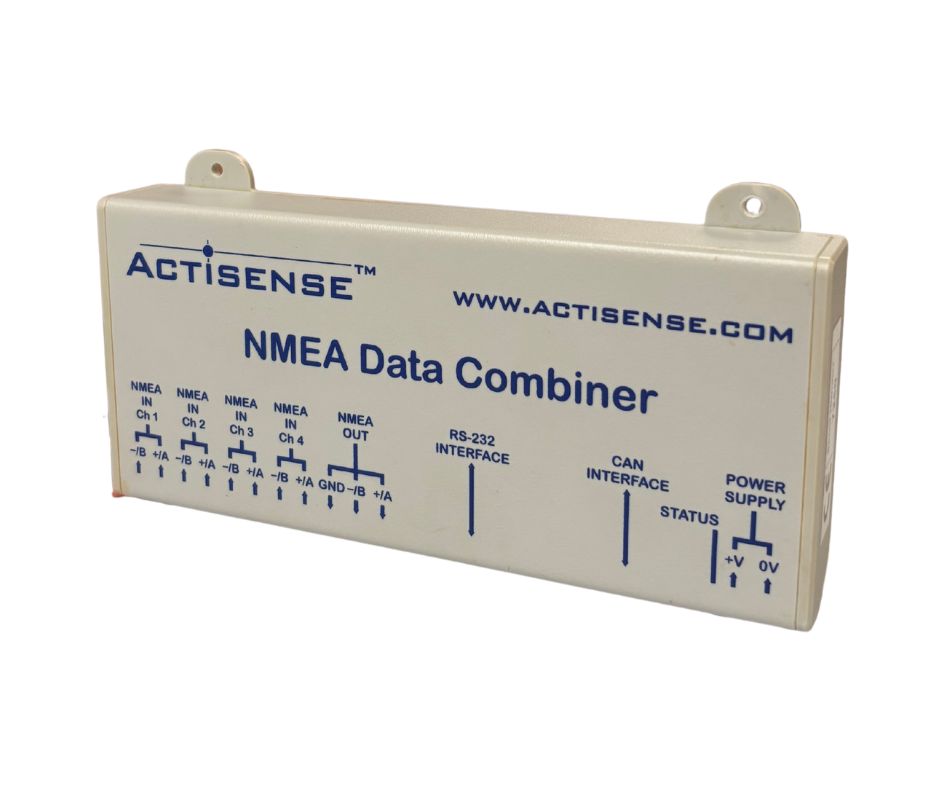
As vessels added more instruments, networks struggled. Data clashes, interference, and even equipment damage were common.
The NDC-1 combined multiple inputs into one clean output safely. With opto-isolation on every input, it didn’t just manage data; it protected connected devices. A simple idea, done properly.
2002: NDC-2
Built to absorb more
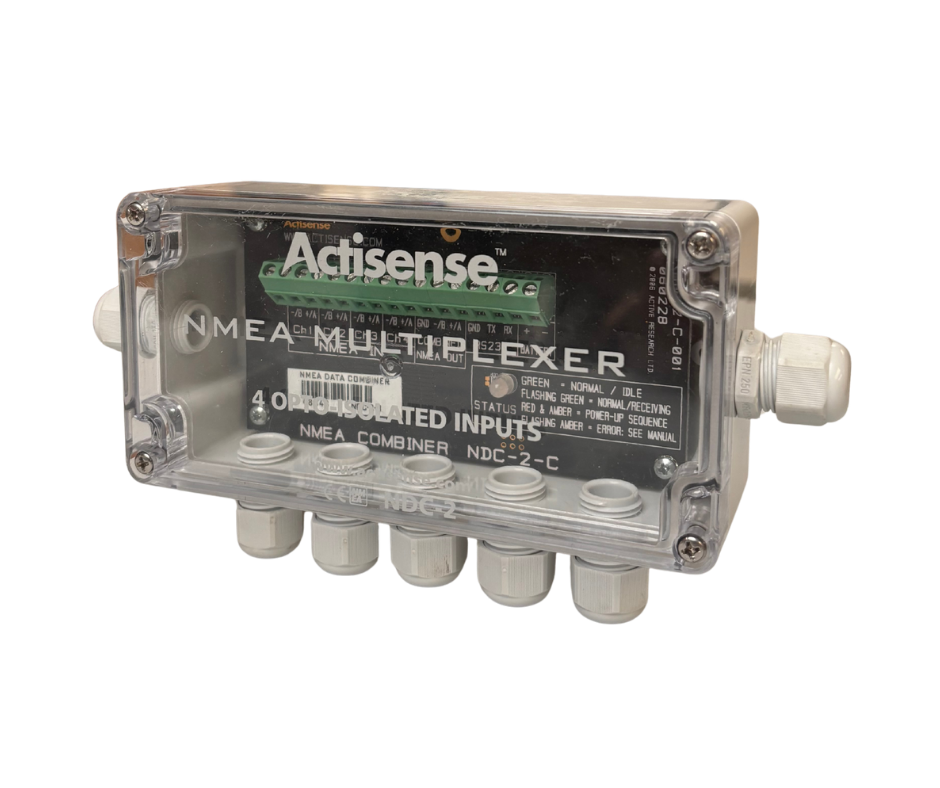
More instruments meant more traffic and more strain.
The NDC-2 was built for real-world load, not ideal conditions. Its intelligent multiplexing ensured data kept flowing, even when networks were pushed to their limits. The underlying principle was straightforward: on a vessel, you don’t get to choose when conditions are good.
2003: NDC-3
Opening up to the PC
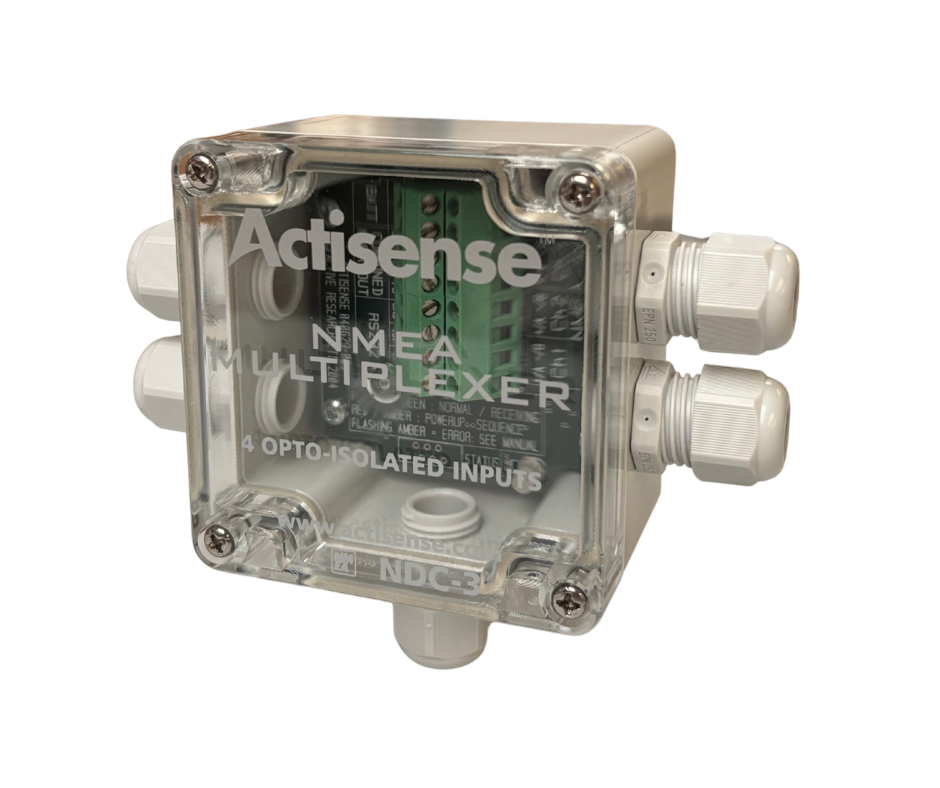
As PCs became part of navigation, access to full vessel data became essential.
The NDC-3 introduced two-way communication, linking onboard systems with computers via serial and later USB. Data could now flow both ways, turning the multiplexer into a true network hub.
2006: NDC-4
Rising to the AIS challenge
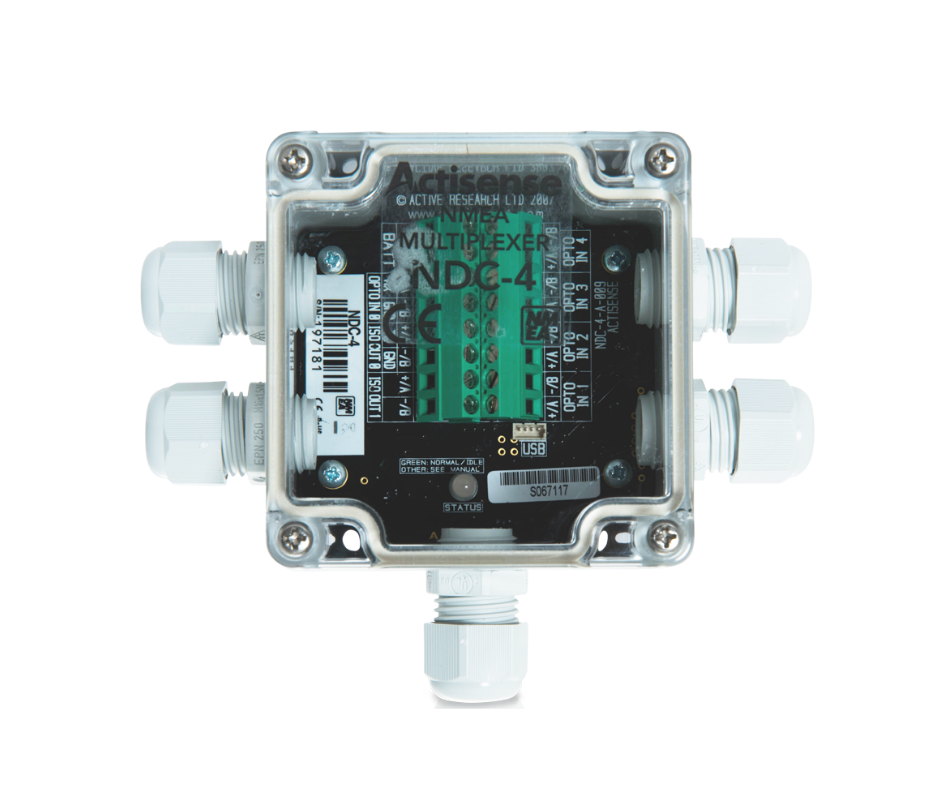
AIS introduced high-speed data that could overwhelm slower networks.
The NDC-4 gave installers control – filtering, prioritisation, and port configuration kept AIS in check. Autoswitch added failover, ensuring continuous operation without manual input.
2010: NDC-5
The network comes to the multiplexer
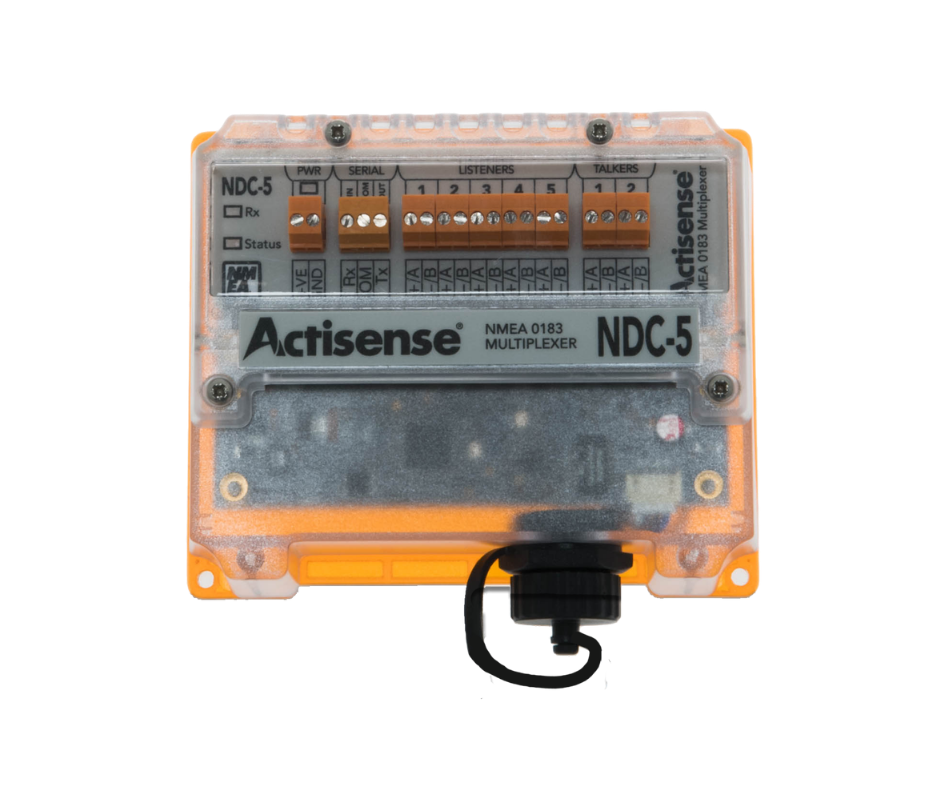
Setup had long been tied to cables and software.
The NDC-5 replaced that with browser-based configuration over Ethernet. Any device, anywhere on the network, could access settings, making installation and maintenance far simpler.
2016: PRO-MUX-1
A step toward professional systems
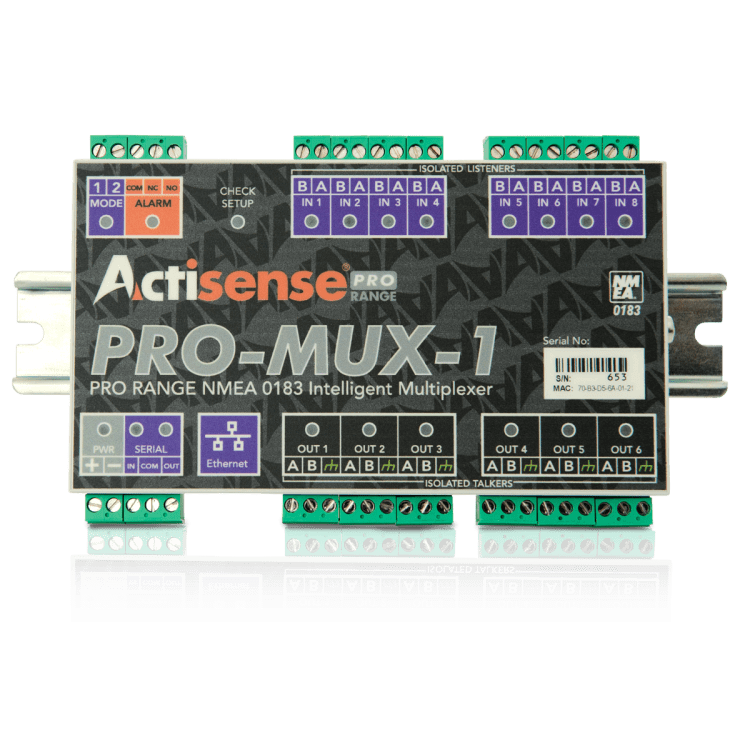
By 2016, installations were becoming more complex, and expectations were rising.
The PRO-MUX-1 marked a shift toward more professional-grade multiplexing, with improved processing power, greater configuration flexibility, and more robust handling of demanding data environments. It was designed for installers who needed reliability not just in theory, but in the real conditions of modern vessels.
2022: PRO-NDC-1E and PRO-MUX-2
Purpose-built for professionals
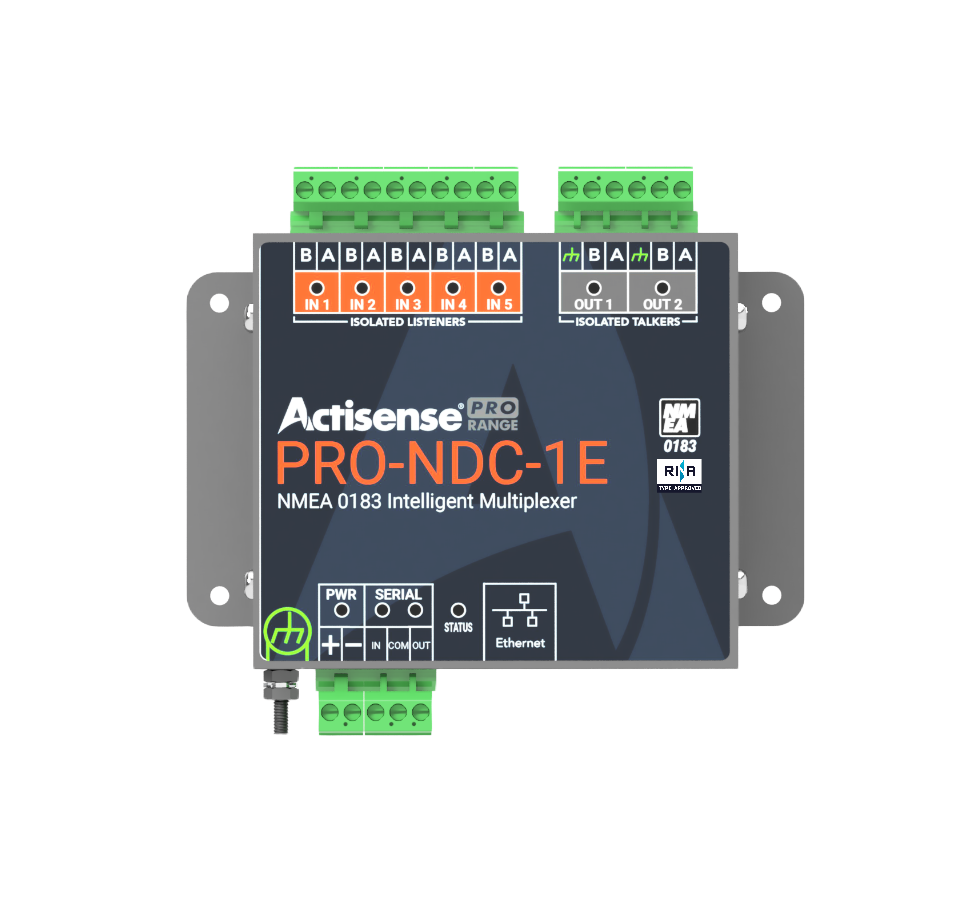
As systems grew more complex, so did expectations.
The PRO range was the response, delivering a more robust, scalable solution for installers, integrators, and OEMs.
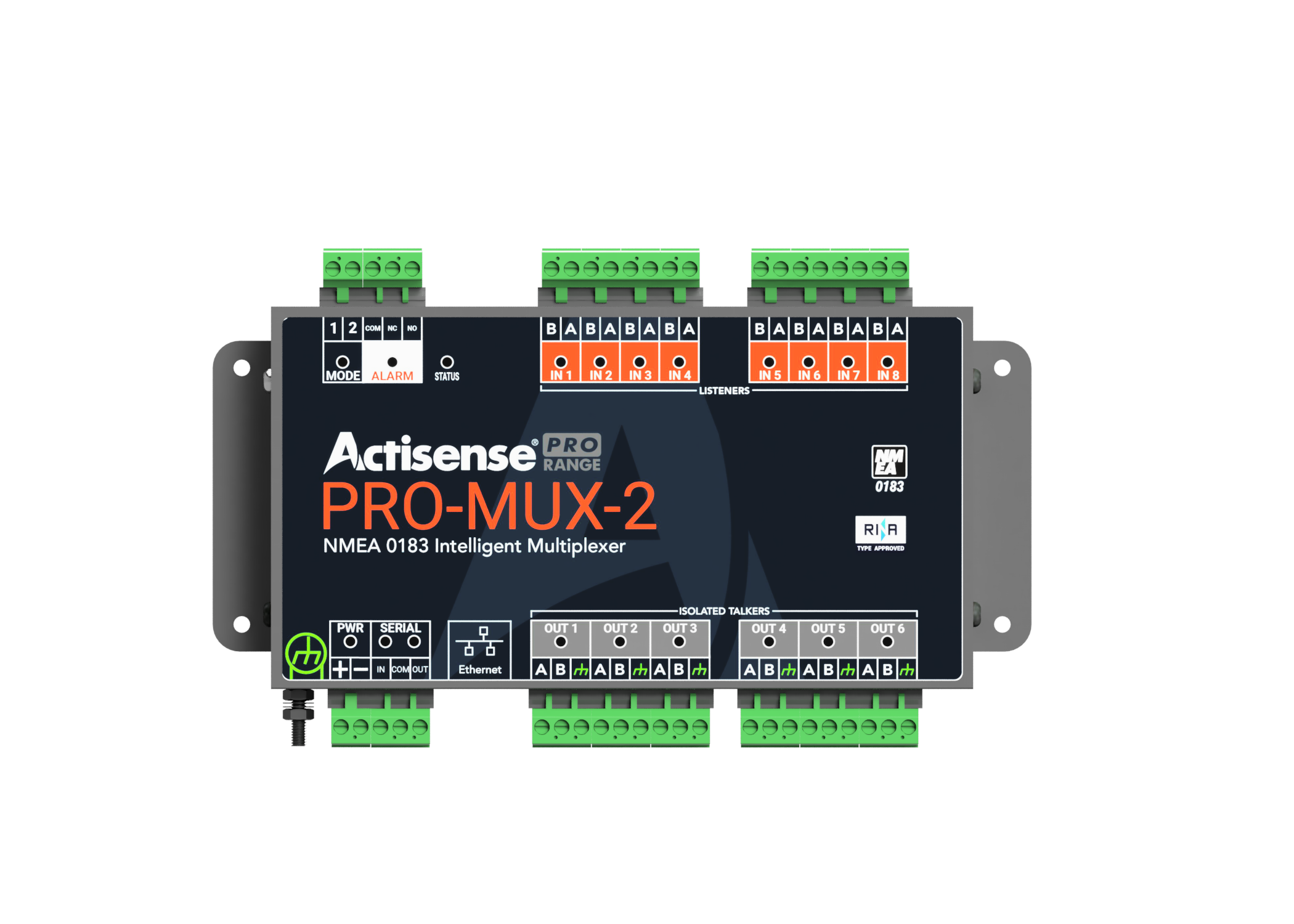
The PRO-NDC-1E brought the web-based management and network capability of the NDC-5 into a hardened professional package, with enhanced Ethernet streaming and a configuration platform designed for complex, multi-device installations. The PRO-MUX-2 stepped up further still with more inputs, more outputs, built for the most demanding onboard data environments.
2024: PRO-NDC-1E2K
One device, two protocols, every vessel
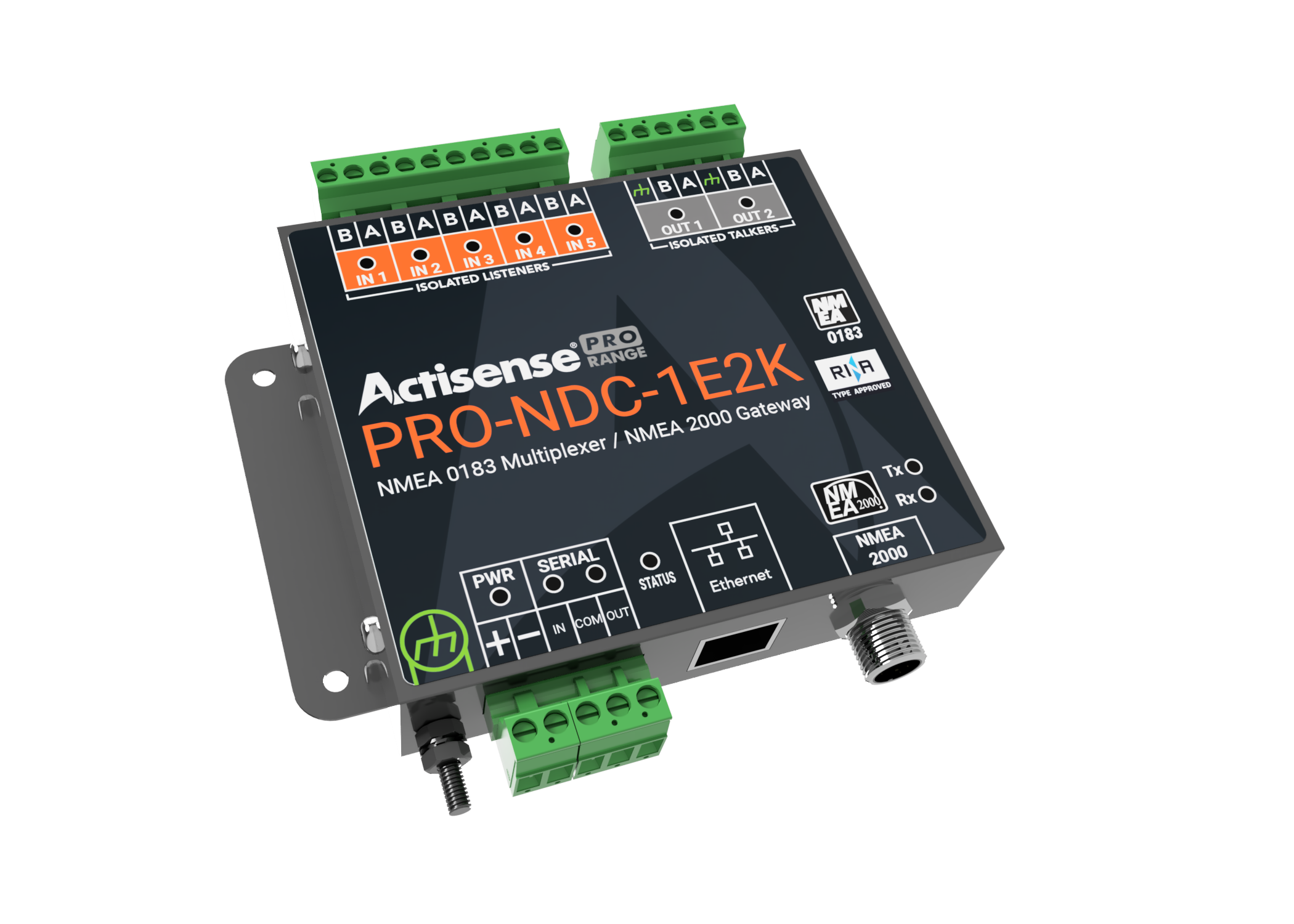
Most vessels now run both NMEA 0183 and NMEA 2000, and connecting them can be challenging.
The PRO-NDC-1E2K changes that. One device, handling both protocols natively, with high-speed Ethernet streaming. It’s also the first to combine dual-protocol support with RINA certified Type Approval, ready for any vessel, from leisure to commercial.
What has never changed
Across every generation, the fundamentals remain.
Opto-isolation on every input. Reliable data handling under load. Hardware built for real marine conditions. And free firmware updates, ensuring products stay useful long after installation.
The bigger picture
The NDC line is one part of a longer story. Actisense has been designing and manufacturing marine electronics since 1997, and across the product portfolio, the same pattern repeats: products built around real problems, refined through genuine feedback from the people who install and rely on them, and built to a standard that outlasts the conditions they operate in.
Over the coming months, we’ll be sharing more of those stories, looking at how other Actisense product lines have evolved in response to a marine electronics industry that has changed dramatically since the turn of the century, and continues to change.
In the meantime, you can explore the current multiplexer range: the PRO-NDC-1E, PRO-MUX-2, and PRO-NDC-1E2K.
 Integrating NMEA 0183 and NMEA 2000 Systems | Commercial Vessels