


How NMEA 2000 cable and connector materials affect network reliability
 Josh | Published: February 18, 2026 | Updated: February 19, 2026
Why high-quality NMEA 2000 cables and connectors matter
Cables and connectors form the backbone of every NMEA 2000 network. They quietly carry power and data between devices, enabling everything from navigation displays to sensors to work together seamlessly. When they’re reliable, you never notice them. When they fail, troubleshooting can be frustrating, especially when cabling runs behind bulkheads, through conduits, or in hard-to-reach spaces.
Because they’re such a fundamental part of the system, the materials and construction quality behind cables and connectors play a much bigger role than many people realise.
The difference is in the details: plastics vs metals
Some lower-cost connectors use plastic housings and threads as a cost-saving measure. While they may look similar at first glance, these components are more vulnerable to wear and damage over time.
Plastic threads can be easily cross-threaded, cracked, or weakened by repeated installation and removal. Exposure to temperature changes, vibration, and harsh marine conditions can also make them brittle, increasing the likelihood of failure later on.

Metal connectors, on the other hand, offer several practical advantages:
-
Greater strength and durability under physical strain
-
More resistance to vibration and movement over time
-
Reduced risk of thread damage during installation
-
Improved longevity in demanding environments
They also offer an additional benefit that’s particularly relevant on larger vessels: natural electromagnetic shielding. Metal housings can help reduce the impact of electrical noise and interference from nearby high-powered electronics such as radar, SSB radios, and other onboard systems.
Not all metal connectors are equal
While many connectors are described as “metal,” the performance and lifespan can vary significantly depending on the materials used inside, particularly the contact pins.
This is where material selection becomes critical.
High-quality connectors use nickel-plated brass contact pins rather than zinc-based alternatives. This combination is designed to handle the challenges of marine environments far more effectively.
Why nickel-plated brass matters:
-
Corrosion resistance:
Zinc corrodes quickly in saltwater environments, often forming a white, crusty oxidation layer that can eventually lead to mechanical failure. Nickel plating acts as a protective barrier, helping prevent oxygen and moisture from reaching the base metal. -
Protection against dezincification:
Zinc alloys and high-zinc brass can suffer from dezincification — a process where zinc is gradually leached out in marine conditions. This leaves behind a weakened, porous copper structure that looks intact but has lost much of its strength. Nickel-plated brass significantly reduces this risk. -
Strength and durability:
Brass offers higher tensile and yield strength than zinc alloys, making it better suited to withstand repeated connector mating cycles, vibration, and physical impacts. -
Resistance to cracking:
Zinc is inherently more brittle, especially in thinner sections. Brass is more ductile, meaning it can flex slightly under stress instead of cracking, extending the lifespan of the connector.
These small material choices can make a noticeable difference over years of real-world use.
Designed for long-term reliability
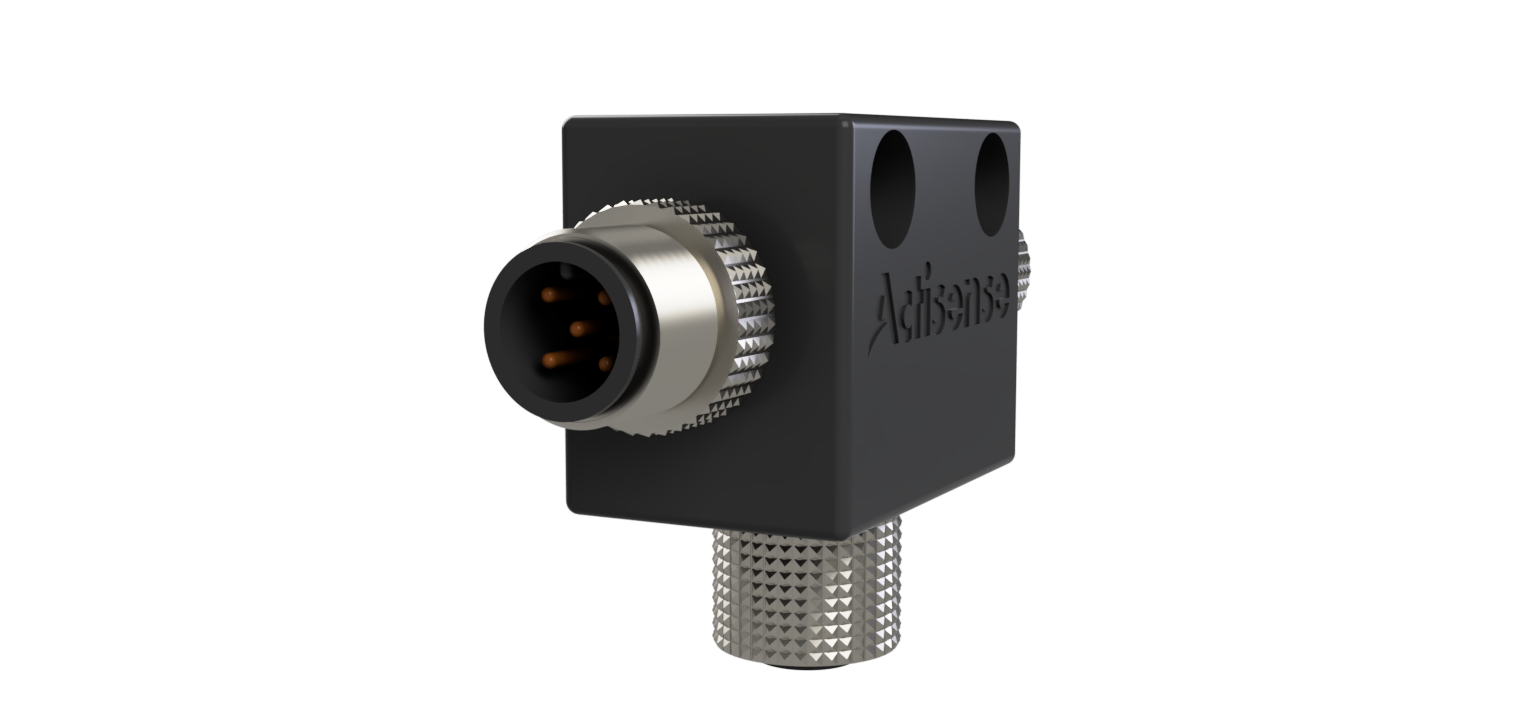
Actisense cables and connectors are built with metal connector bodies and nickel-plated brass contact pins, chosen specifically for their durability, corrosion resistance, and mechanical strength in marine environments.
The focus is on creating components that can handle:
-
Temperature changes
-
Salt exposure
-
Vibration and movement
-
Repeated installation cycles
-
Electrical noise from onboard systems
It’s the kind of engineering that supports long-term network stability without adding complexity.
A “fit and forget” approach
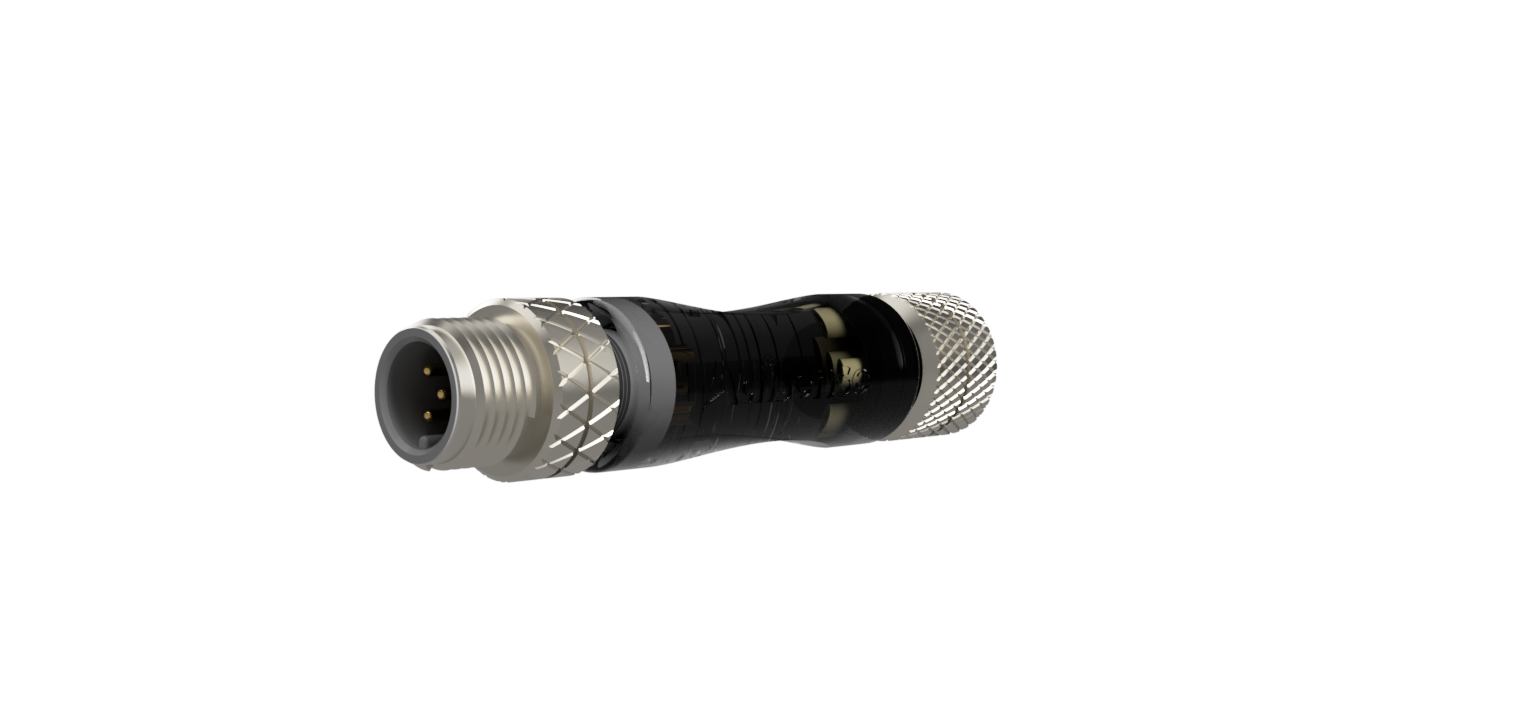
In many installations, cables and connectors are among the hardest components to access once the job is complete. Choosing well-built infrastructure from the start helps reduce the likelihood of future issues, downtime, and time-consuming rework.
That’s why build quality, material selection, and manufacturing standards matter so much for these seemingly simple components. When they’re made to last, they quietly do their job year after year, helping keep the entire network running smoothly.
 3 fundamentals for building a fault free NMEA 2000 network
  Why metal trumps plastic for NMEA 2000 connectors