


 | Published: June 28, 2023 | Updated: September 3, 2026
Isolation in marine DC-powered systems: why it matters
Connecting NMEA devices directly to a PC without isolation is not good practice. This seemingly straightforward connection can introduce ground loops that damage both your NMEA equipment and computer. Of course, ground loops aren’t visible either, so you have no idea they exist until you get communication issues or damaged equipment. For DC-powered marine networks, isolation is not optional; it is critical to system reliability.
Understanding ground loops and ground potential differences
Isolation prevents the two common failure modes in DC power systems: ground loops and ground potential differences.
A ground loop forms when multiple paths exist to the ship’s DC battery ground. When potential differences are created, the consequences range from intermittent data loss and corruption, to complete device failure.
Galvanic isolation blocks current flow between two electrical circuits while maintaining data transfer through optical, mechanical, or electromagnetic methods. This isolation helps prevent ground loops and ground potential differences, protecting your equipment.
The real-world impact
Small ground potential differences appear as data corruption, whilst large differences block communication entirely. Over time, any device without proper isolation will suffer progressive damage. The consequences become clear when critical navigation systems like GPS fail far offshore, where repair or replacement is not an easy task.
How marine optical isolation works
Marine opto-isolators safely transfer data between two separate, isolated circuits using light. Internally, they combine an LED (which converts electrical energy to light) with a photosensor such as a phototransistor (which converts light back into electrical energy). This optical barrier creates a complete electrical separation while preserving data integrity.
So what does this mean?
Most boaters will eventually need to connect their NMEA devices to their PCs, but doing so safely is critical for protecting your onboard equipment. We always stress the importance of creating a reliable marine data network, where isolation must be considered. Depending on your network requirements, we have different options to safely connect your NMEA devices to your PC.
NMEA 0183 to PC
Direct connection of NMEA 0183 devices to a PC without isolation is unsafe. To protect both your NMEA equipment and computer, isolation should be applied at both the input and the output.
The Actisense USG-2 offers full protection with complete isolation and connects directly to your PC via USB. This approach is our recommended solution for most applications.
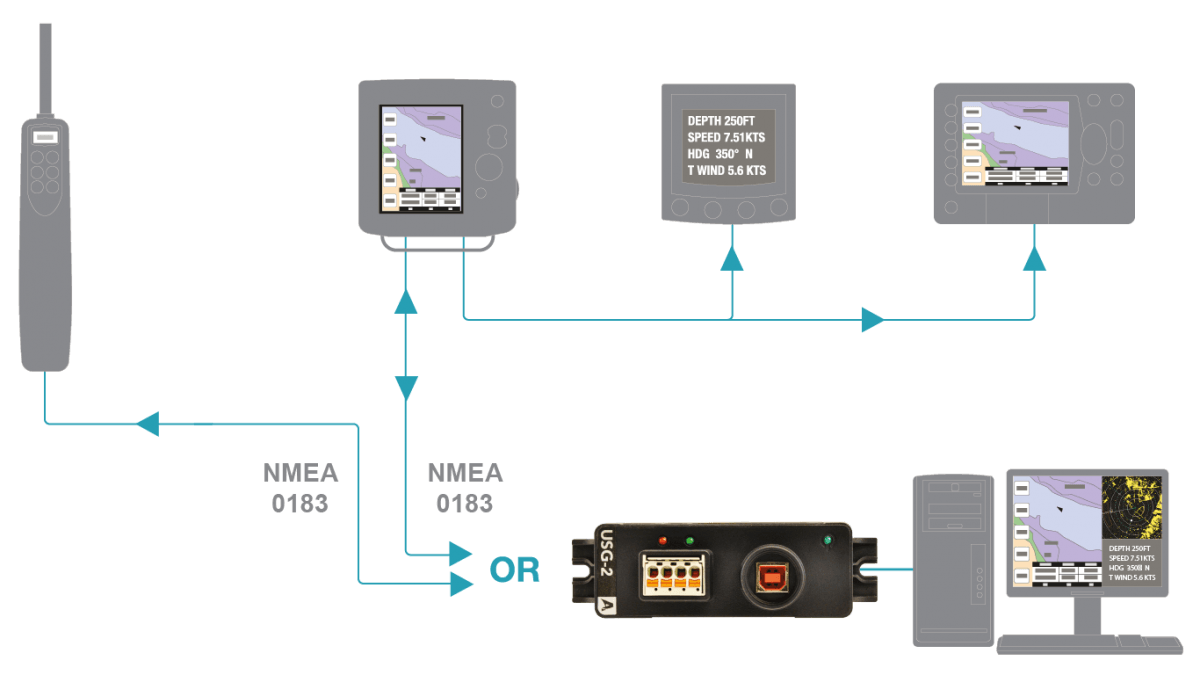
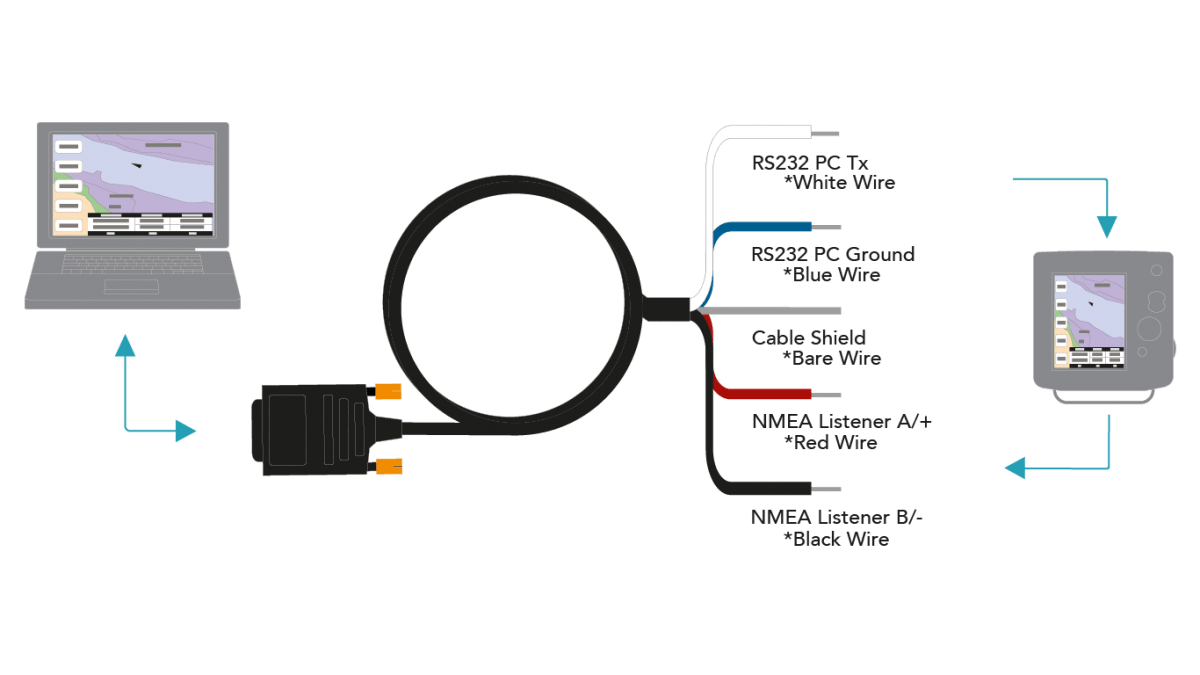
An alternative is the Actisense OPTO-4 Serial Opto-Isolator, which isolates the PC input but not the output. If your PC doesn’t have a serial port (which is common with modern PCs), you’ll need to pair this solution with a USB-to-serial adapter.
NMEA 2000 to PC
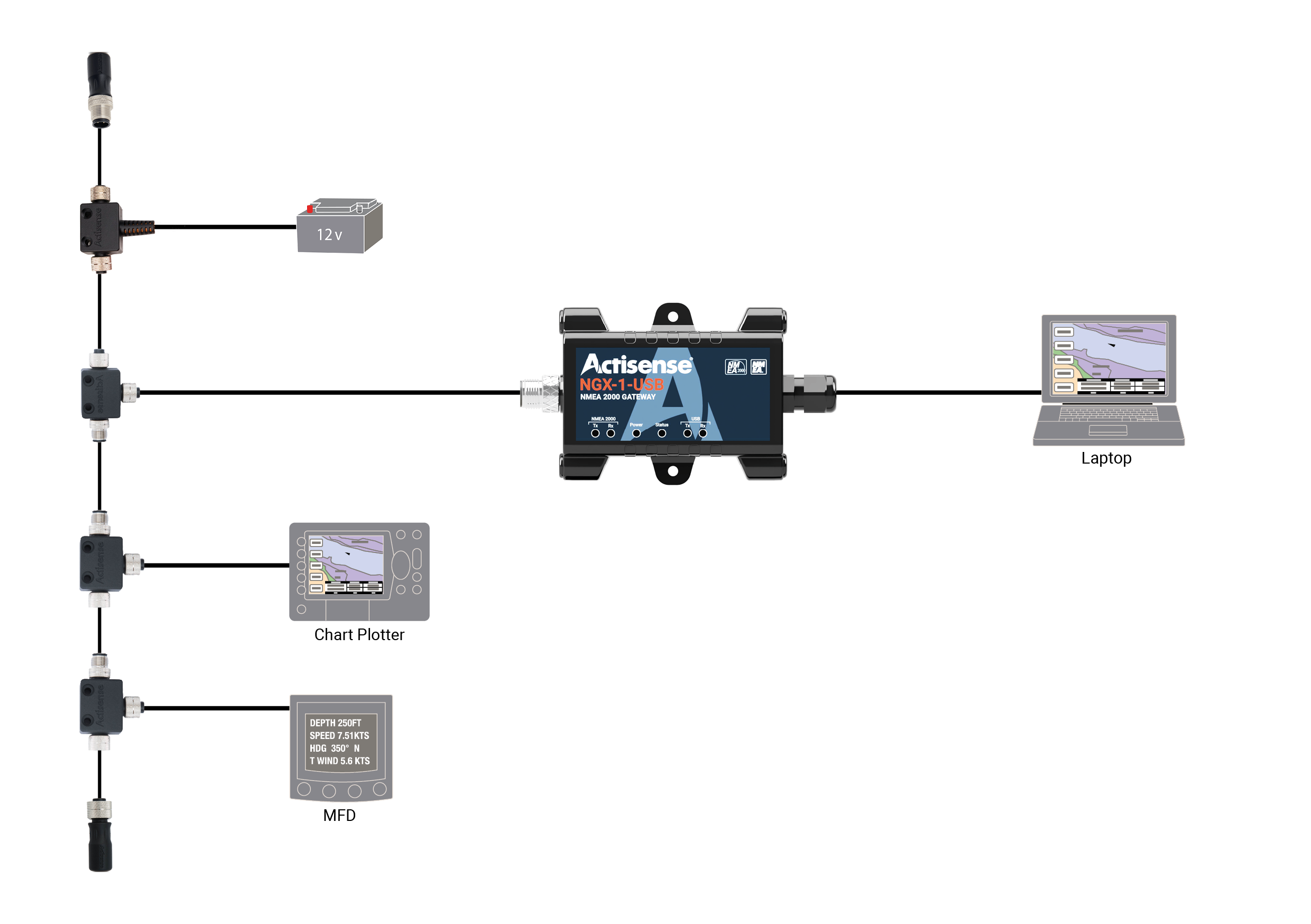
The Actisense NGX-1 can operate as an NMEA 2000 to PC Gateway that transfers NMEA 2000 network data to a computer. The NGX-1-USB variant is the preferred choice when your PC has a USB port, offering true plug-and-play operation alongside complete galvanic isolation to prevent ground loops.
Our commitment to isolation
The importance of isolation has been central to our company philosophy since our founding. To learn more about our ISO-Drive™ technology and its role in marine data integrity, read this article.
For additional guidance on connecting marine electronics to your onboard computer, we recommend our article on interfacing marine equipment with onboard systems.
 3 common mistakes when installing NMEA devices
  The Importance of NMEA Opto Isolation
  Interfacing your NMEA 0183 and NMEA 2000 marine electronics with an onboard computer